
The price list a US buyer wants to see
A European price list confuses the US buyer, and confusion kills the deal. Form is substance: we show you what a price list that sells looks like.
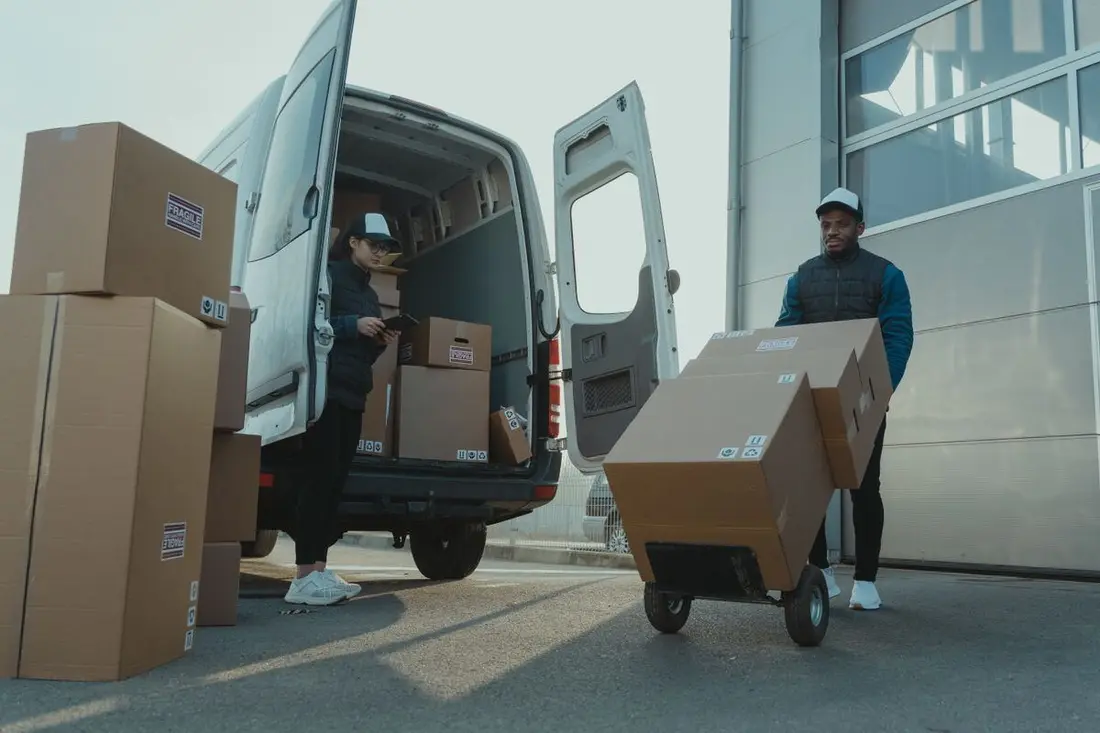
Product samples to the USA: fast, duty-free and effective
A sample is the moment when talk turns into a product. Logistics here must be flawless, because a late sample is a wasted opportunity.

References: how a small Estonian manufacturer proves itself to a big market
The US buyer's first question is often: who else do you sell to? A properly packaged reference answers before the question is asked.

Video call with a US buyer: the half hour that decides everything
The first call is often your only shot. American meeting culture differs from ours enough that preparation pays off.
A CRM for the small producer: Excel is enough for longer than you think
Choosing a sales tool paralyzes many people before the selling even begins. The truth is prosaic: the system matters more than the software.
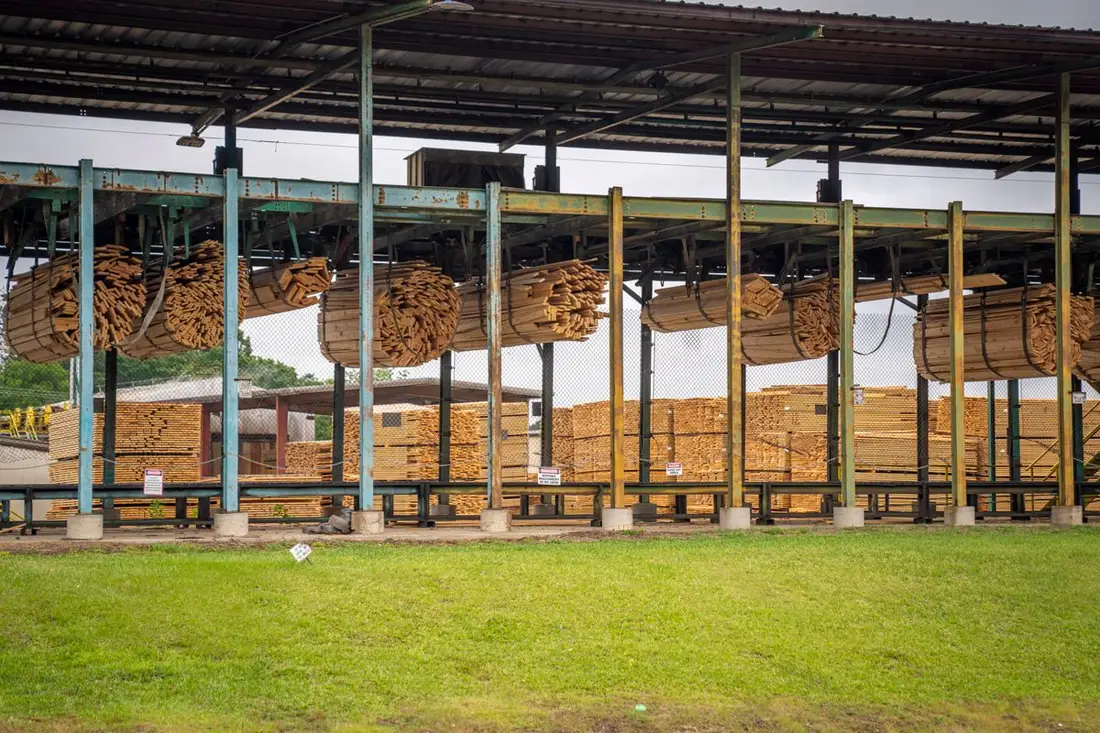
Thermally modified wood: an Estonian skill the US decking market is waiting for
Thermally modified wood is a niche where Estonia is world-class. The US exterior construction market is only discovering it now, and that is an opportunity.

Glued wood panels and components: an invisible but large business
The US furniture and kitchen industry is buying in blanks in growing volumes. Estonian glued wood fits there perfectly.

Upholstered furniture to the US: bulky goods, demanding logistics
Sofas and armchairs are tempting for a European furniture exporter, but logistically the most difficult category. The winner is the one who designs for shipping.
Office furniture and B2B interiors: project business, not shelf goods
The US office market is being rebuilt for hybrid work and European design is in demand. This is the world of project selling, not catalog selling.
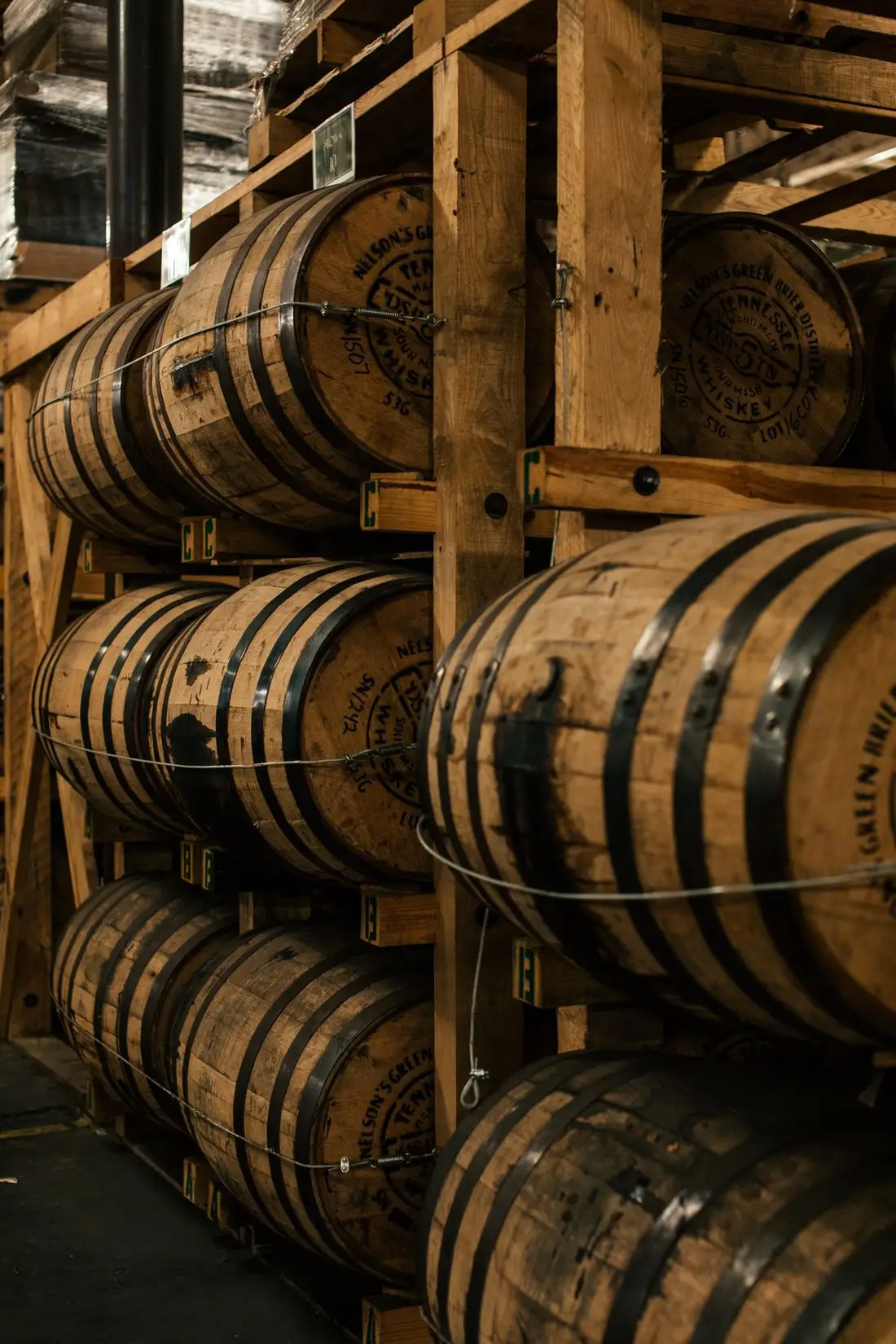
Cider and wine: how a small producer fits into the US alcohol market
The craft beverage wave is mature in the US, but the niches are open: dry cider, berry wines and a Nordic story find an importer if the paperwork is in order.

Soft drinks and functional beverages: the fastest shelf in the US
Non-alcoholic and functional beverages grow faster in the US than any other beverage segment, and without the alcohol bureaucracy.

Technical plastic parts: where the Estonian workshop beats the Asian factory
Small batches, fast delivery, and an engineer who replies the same day: this combination wins against the price war in the US.
Cardboard packaging for the food industry: a beneficiary of the sustainability wave
The US food industry is fleeing plastic and cardboard is the first choice. European producers have a technological head start here.
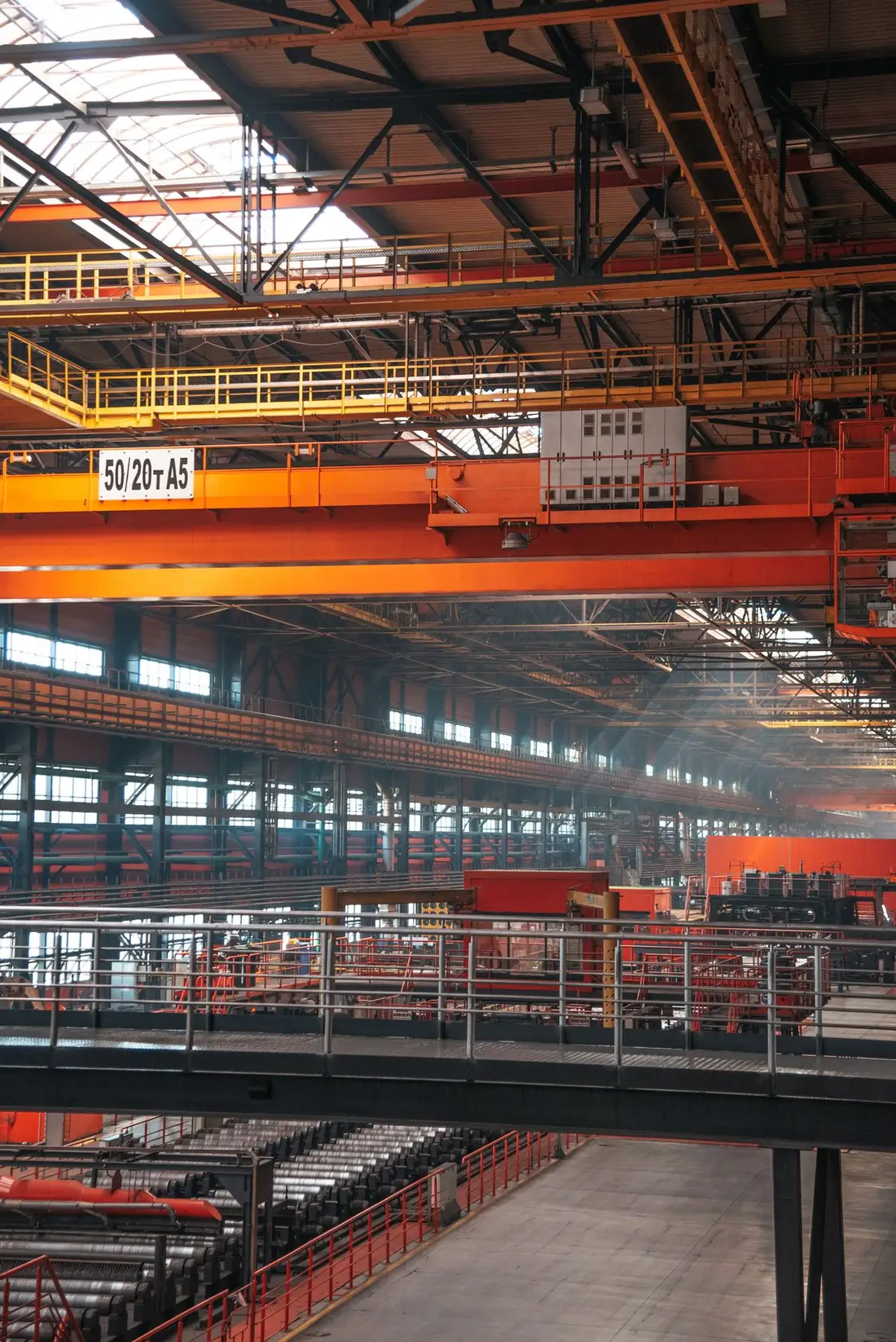
Stainless steel and food industry equipment: a business of trust
Stainless tanks, processing lines and custom parts are expensive goods where the buyer pays for certificates and precision. Familiar ground for Estonia.

Agricultural machinery components: the US farm market buys from Europe
US agriculture is the world's largest machinery market, and imports of aftermarket parts and assemblies from Europe are growing. A solid door for the metal industry.

Trailers and haulers: a niche where the Baltics are already winning
Light trailers, camper trailers and specialty trailers are moving from the Baltics to the USA at a growing pace. The market rewards clever design.
How to read a competitor's real US volume: a short methodology lesson
Public customs data lets you estimate a competitor's US business with surprising accuracy, if you know how to read it. We teach our back office.
Seasonality in the data: when orders are placed in your category
Every category breathes to its own rhythm. We show how to read the season out of import data and translate it into a sales calendar.
Anatomy of the star: how we pinpoint open buyers
Our star marks a buyer who is likely to consider a new supplier. We open up the algorithm, because transparency is part of the product.

Declared or estimated: how to read our value figures
Some of our values come from customs declarations, some are calculated. We explain the difference honestly, because trust starts with methodology.

How fresh import data really is: the timeline from manifest to our database
The ship arrived yesterday, so when do you see the record in our database? We honestly walk through the whole chain of delays.