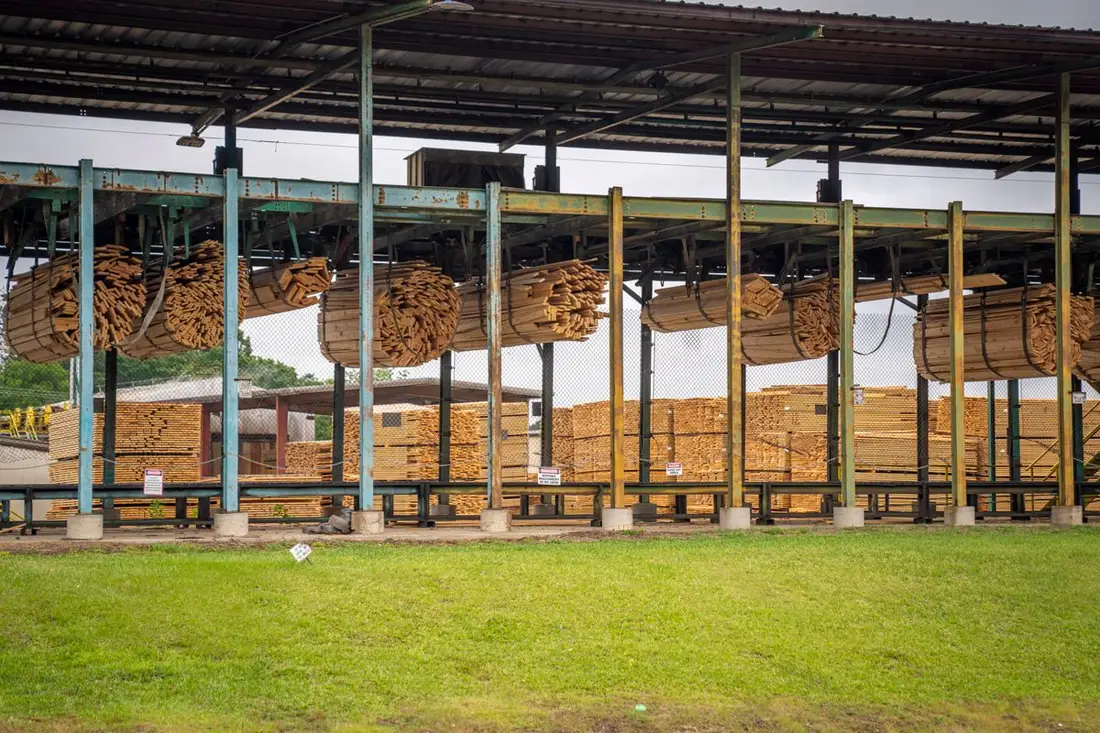
The Southeast: Georgia and the Carolinas as the new industrial belt
Factories are moving south: land is cheaper, taxes lower and the ports fast. For an Estonian supplier, that is good news.
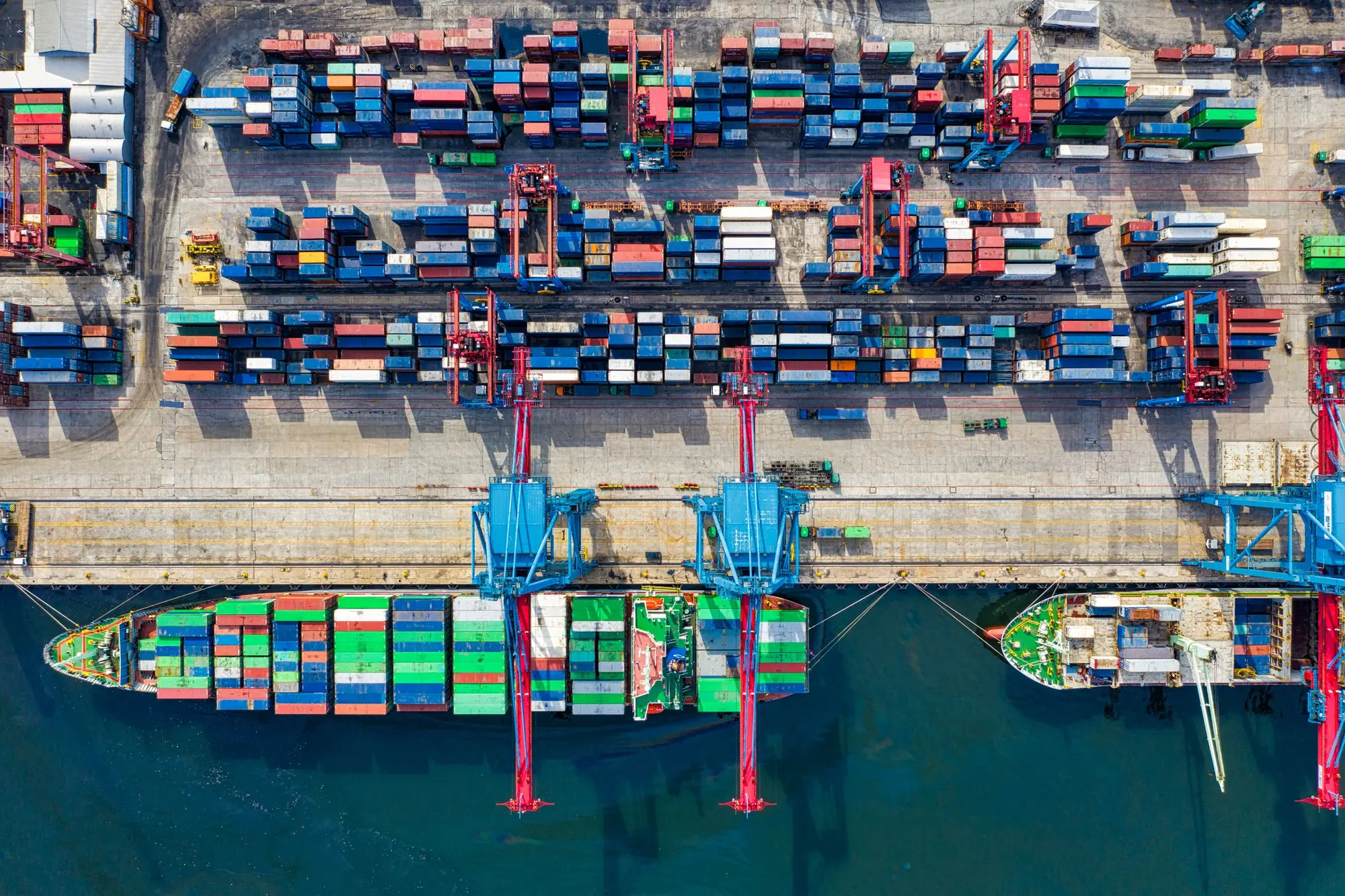
Port profile: why Savannah is European cargo's new favorite
Savannah has risen to become the USA's third-largest container port. Let's look at when it is the right gateway for your cargo.
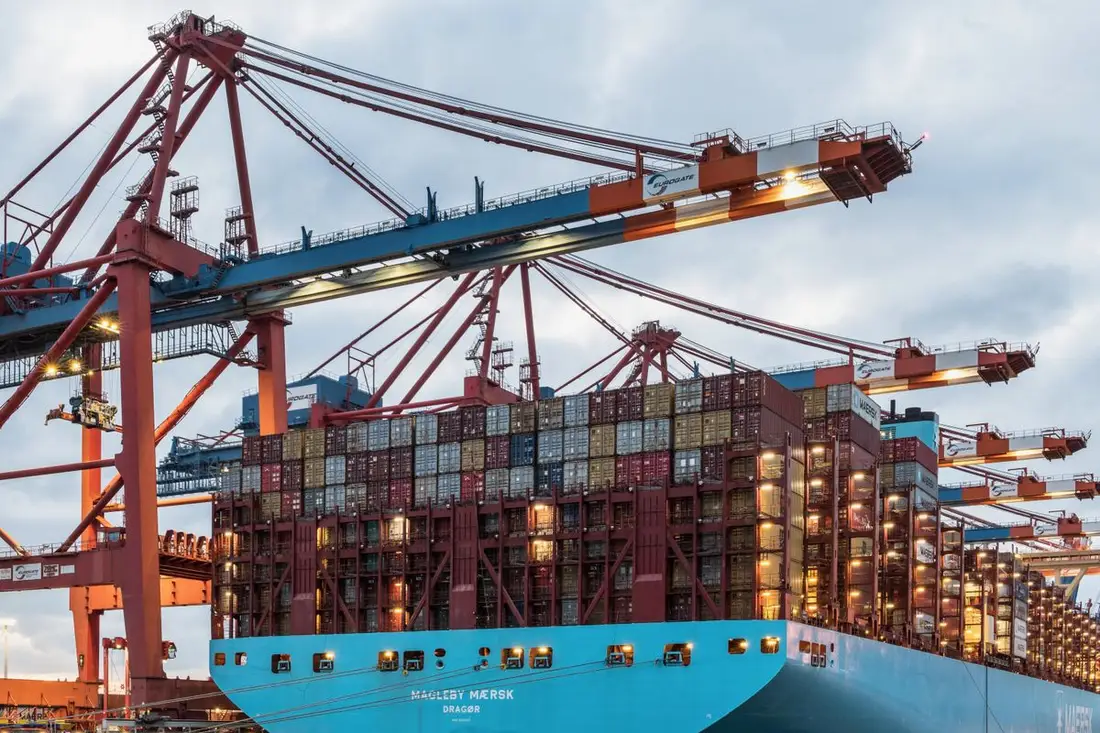
Port profile: New York and New Jersey - big, expensive, unavoidable
NY/NJ is the East Coast's largest port and the main entry point for European goods. Its strengths and weaknesses are worth knowing.
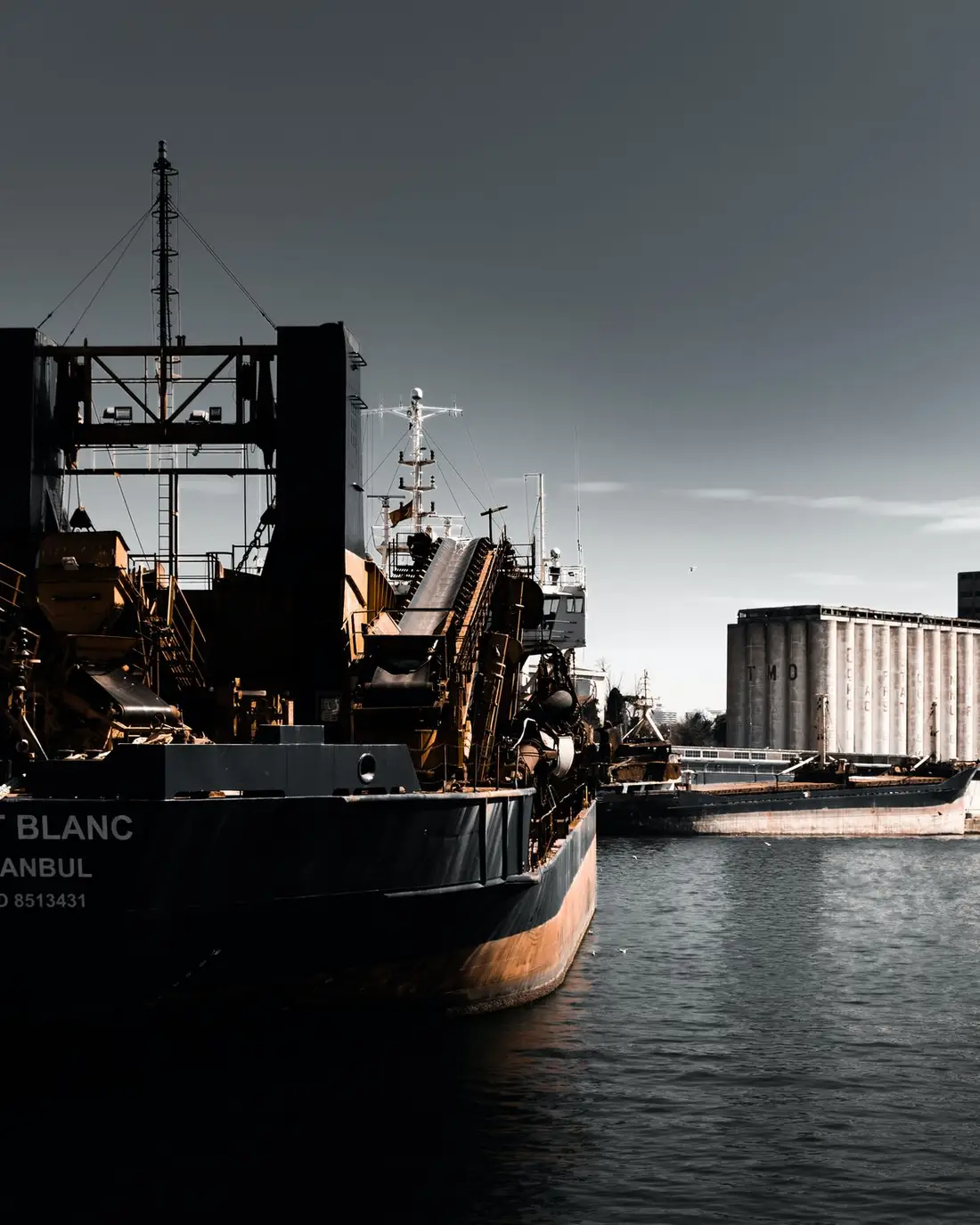
Port profile: Houston and the peculiarities of the Gulf of Mexico
Houston is the energy sector's port, but not only that. Texas's growth makes it a serious gateway for ordinary goods too.
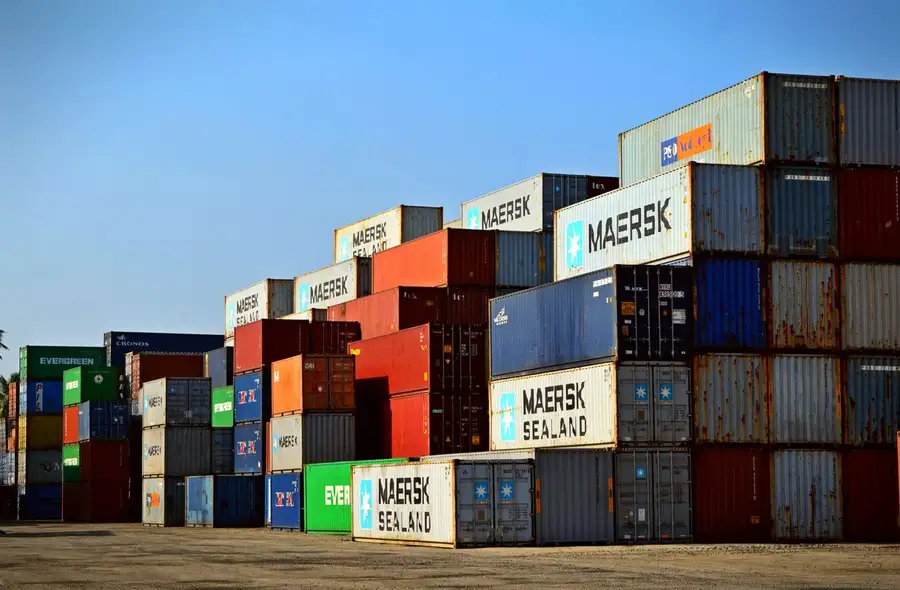
FCL or LCL: when to book your own container, when to share
The wrong shipping mode eats into your margin or drags out delivery time. A simple framework for deciding.
20-foot, 40-foot or high cube: the ABCs of choosing a container
The choice of container seems a technical detail, but it determines capacity, price and sometimes whether the deal is even worth it.
Marine cargo insurance: a small cost that saves a bad day
A container can fall, get wet or go missing. Insurance costs a fraction of a percent of the cargo value and is the only thing that helps then.
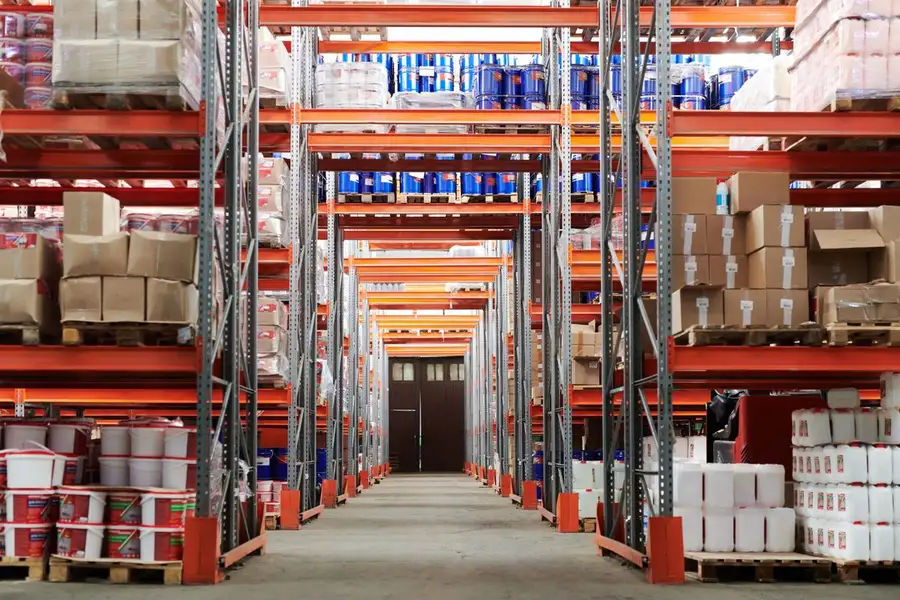
Packaging that survives an ocean voyage: an engineer's view
Ocean shipping is a product's toughest test: humidity, vibration, stacking and forklifts. Packaging mistakes cost more than the packaging itself.
Quarterly review: what Q3 2025 showed in EU-US trade
A three-month summary from our database: flows grew, orders shrank and Baltic visibility improved.
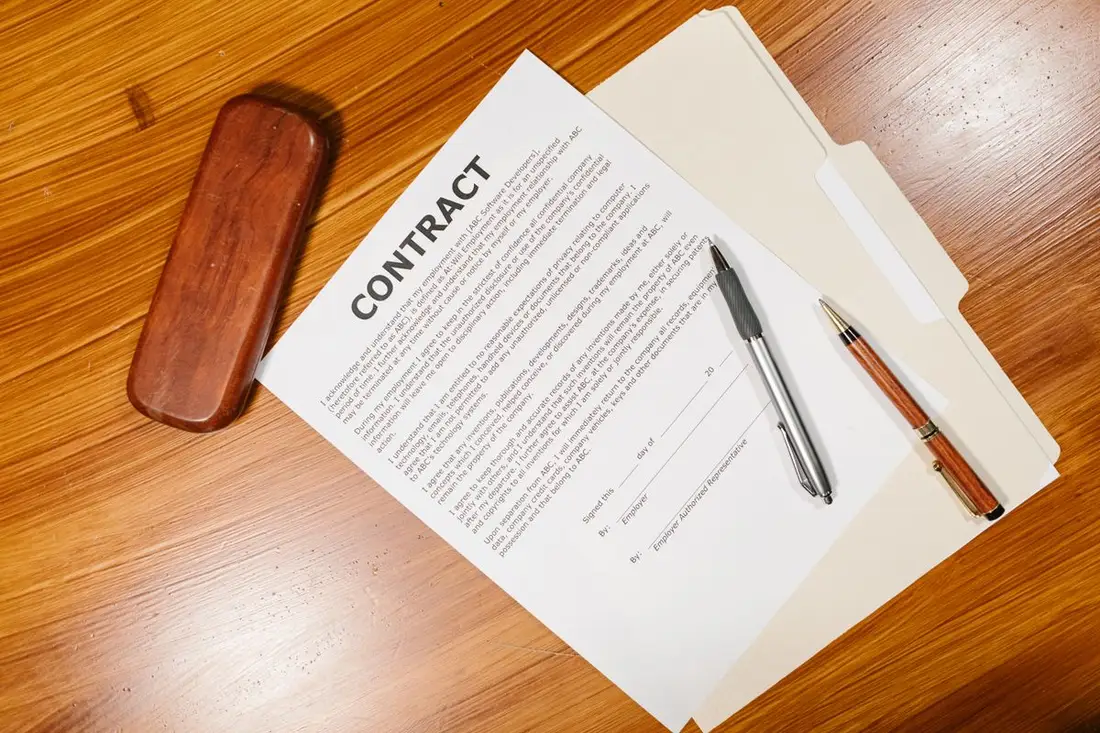
Customs broker in the US: who they are and how to choose the right one
A customs broker is a mandatory link in US imports. A good broker is invisible; a bad one costs time and fines.
Delivery time door to door: where the days really come from
The ocean leg is 14 days, but the customer asks why the cargo took a month and a half. We honestly break the supply chain into its parts.
Does an Estonian exporter need a US company? Usually not
Setting up an LLC seems a mark of being taken seriously. In reality it is a cost and an obligation rarely needed at the start.
Product liability insurance: the US market's default assumption
The US is the land of lawsuits and your buyer knows it. Product liability insurance is often a precondition of the deal, not a choice.
Trademarks in the USA: when to register and what it costs
Once your brand starts selling in the USA, a trademark is cheap insurance. If someone else registers it first, winning it back is expensive.
Your contract with a US buyer: five points that must be in writing
American business revolves around contracts. The good news: a solid framework agreement is simpler than you fear, and it protects both sides.

Agent or distributor: two different roads to the US market
Both sell your goods, but the business model, the risks and the control are entirely different. The wrong choice only becomes clear a year later.
Incoterms 2020 in plain language: what each clause demands of you
Three letters in a contract determine who pays, who bears the risk, and where. An overview of the clauses actually used on the US route.

The dollar swings: how a small manufacturer tames currency risk
US deals are in dollars, and an exchange-rate move can eat up the margin that your sales work earned with effort. Simple protective measures are available to everyone.
LinkedIn in US sales: how an Estonian finds customers there
The US B2B buyer lives on LinkedIn. Access to them is free, but it only works if you do it the American way.
Who is behind the buying decision: four personas at a US importer
A message that convinces the owner leaves the purchasing manager cold. Before writing, it pays to know who you are talking to.

The art of the follow-up: a rhythm that does not annoy, yet is not forgotten
Eighty percent of US deals happen after the fourth contact. Most exporters give up after the second.